


Purattasi Saturday 2026
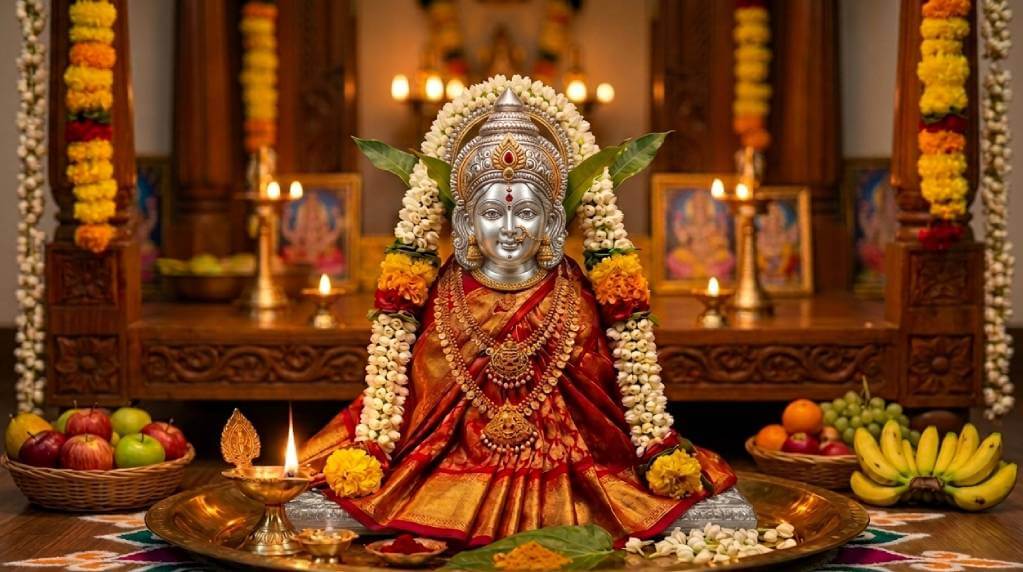
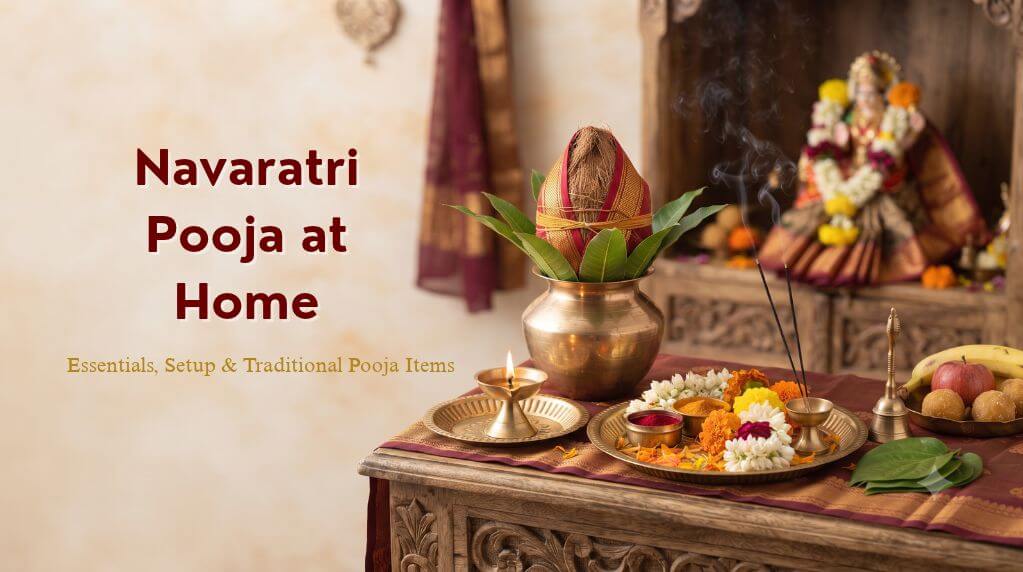
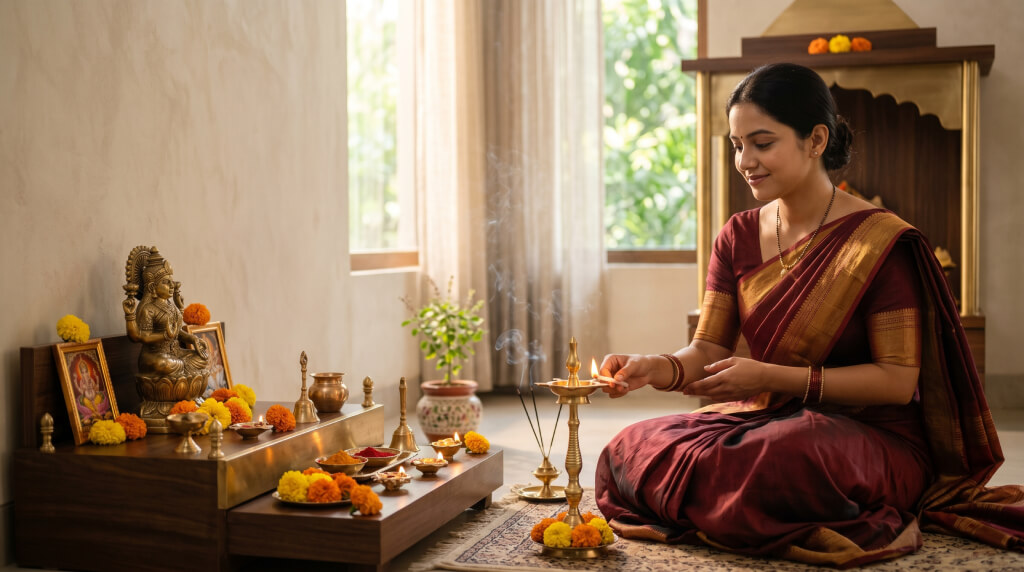
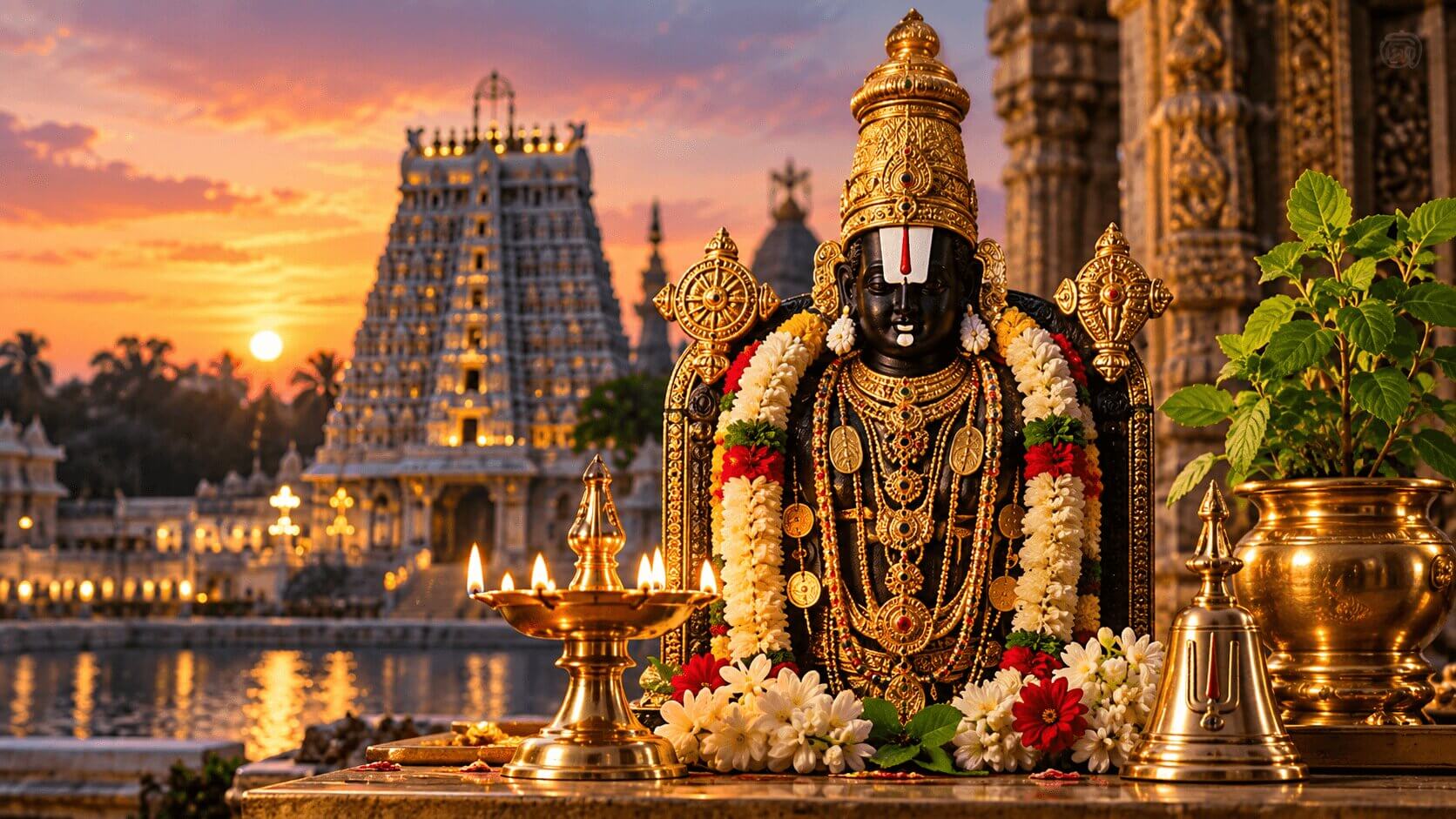
Purattasi is a Tamil month closely associated with worship of Lord Vishnu, especially Perumal and Sri Venkateswara. Saturdays during the month are observed with particular devotion in many Tamil households. A simple home observance can include bathing and cleaning the prayer space, lighting a lamp, offering tulsi and flowers, reciting Vishnu prayers or the Vishnu Sahasranamam, offering a sattvic naivedyam and completing the worship with aarti.
In 2026, the Purattasi Saturdays relevant to this guide include 3 October and 10 October, with the wider Purattasi Saturday cycle also extending across the Tamil month. Families should follow their own temple or family calendar when it differs.
Why are Saturdays in Purattasi important?
Purattasi is the sixth month of the Tamil calendar and overlaps roughly with September–October. The month has a strong association with Vishnu worship in Tamil devotional life, particularly Sri Venkateswara of Tirumala. Historical and living temple traditions around the Purattasi season help explain why many families intensify Perumal worship during these weeks.
Saturday already has a long devotional association with Venkateswara in many households, so Purattasi Saturdays become a natural weekly focus. Families may visit a Perumal temple, chant Govinda nama, recite Vishnu Sahasranamam, prepare a special naivedyam, avoid non-vegetarian food, or observe a fast. These are family and community practices rather than one mandatory rulebook.
What is Purattasi Sani?
“Purattasi Sani” simply refers to a Saturday (Sani) in the Tamil month of Purattasi. Searches for Purattasi Sani often lead to highly prescriptive lists, but the core home observance is straightforward: cleanliness, Vishnu remembrance, deepam, tulsi where available, naivedyam and prayer. A family that already follows a more elaborate vrata should continue that inherited practice.
Why are Govinda nama and Vishnu Sahasranamam commonly recited?
Nama japa gives a household a simple way to centre the pooja on Vishnu without needing an elaborate ritual. Vishnu Sahasranamam is also widely recited in Vishnu-focused homes. Neither needs to become a performance: a shorter prayer said attentively is preferable to rushing through a long text simply to complete a checklist.
Purattasi is traditionally treated as a month for intensified Vishnu worship. In many homes, Saturday becomes the focal day: meals are kept simple, devotees visit Perumal or Venkateswara temples where possible, and the household pooja gives special place to the Lord’s nama, tulsi and deepam. The practice is regional rather than a single pan-Indian rule, so the exact fasting pattern and offerings vary.
What you need for a simple Purattasi Saturday pooja
Item | Use | Essential? |
Perumal/Venkateswara image or idol | Focus of worship | Yes |
Deepam, wick and ghee/oil | Lamp offering | Yes |
Tulsi leaves | Traditional Vishnu offering | Recommended |
Fresh flowers | Archana/decorating the altar | Recommended |
Keeps kumkum, chandan, flowers and aarti items organised | Useful | |
Bell | Used according to family practice during pooja/aarti | Optional |
Naivedyam | Fruit, payasam, pongal or another sattvic preparation | Yes, simple is enough |
How to perform Purattasi Saturday pooja at home
1. Clean the pooja area and bathe before beginning. Wear clean clothes and keep the altar uncluttered.
2. Place the Perumal or Venkateswara image/idol at the centre. Keep the lamp stable and away from loose cloth or flowers.
3. Light the deepam. Begin with a quiet prayer or sankalpa in your own words.
4. Offer tulsi and fresh flowers. If your family follows a specific archana, continue with that practice.
5. Recite a familiar Vishnu prayer. Vishnu Sahasranamam, Govinda nama japa or a short Venkateswara prayer may be used according to your tradition and available time.
6. Offer naivedyam. A simple fruit offering is sufficient when an elaborate preparation is not practical.
7. Perform aarti and conclude with namaskaram. Share the naivedyam as prasadam.
What can you offer to Perumal on Purattasi Saturday?
Tulsi is one of the most recognisable offerings in Vishnu worship. Flowers, fruits and sattvic foods are also common. Some homes prepare sakkarai pongal, ven pongal, payasam or sundal. The best offering is not the most elaborate one; it is the one your household can prepare cleanly and consistently without turning the pooja into a stressful checklist.
Do you have to fast on Purattasi Saturday?
No single fasting rule applies to every family. Some devotees avoid non-vegetarian food for the entire Tamil month; some observe a stricter Saturday fast; others take one simple vegetarian meal. Follow the vrata method taught in your family or temple. Children, older adults, pregnant people and anyone with medical needs should not copy a restrictive fast simply because it appears in an online festival guide.
A simple pooja setup for apartments and small homes
A separate pooja room is not necessary. A clean shelf or compact mandir is enough. Keep one main lamp, the deity image, flowers and a small thali together rather than crowding the space with many decorative objects. For a working household, preparing the thali and naivedyam ingredients the previous evening makes Saturday morning calmer.
Choosing reusable pooja items
Reusable brass pieces are most useful when they solve a practical pooja need: a stable deepam for regular lighting, a bell used in your family’s worship, or a pooja thali that keeps small offerings together. For a Vishnu-focused prayer space, Anugrah Aura’s Vishnu Tilak Bell or a simple brass pooja thali can be considered as long-term pooja articles-not as objects that replace the ritual itself.
Purattasi Saturday fasting: what actually varies between families
In practice, Tamil households follow several patterns. Some avoid meat, fish, eggs and alcohol throughout Purattasi; some keep only Saturdays especially strict; some take a single meal after pooja; and some simply maintain a sattvic vegetarian diet. Rice restrictions, salt restrictions and the timing of the meal are family-specific rather than universal.
Practice | Common household approach | What to remember |
Month-long vegetarian observance | Vegetarian food through Purattasi | Common in many families, but not identical everywhere |
Saturday fast | Fruit/liquids or a light meal until pooja | Method depends on health and family practice |
One meal after worship | Main meal taken after Perumal pooja | Often paired with simple sattvic cooking |
No formal fast | Regular vegetarian meals with special Saturday worship | Devotion is not invalid because the household does not fast |
Purattasi thaligai and naivedyam: what can be prepared?
A home offering does not need a long menu. In many Tamil Vishnu households, the emphasis is on clean, freshly prepared sattvic food offered before the family eats. Sakkarai pongal, ven pongal, curd rice, sundal, payasam, fruits or a simple cooked meal may be used depending on family custom. Tulsi is often placed with the offering when available.
- Prepare the naivedyam before tasting it if that is your family practice.
- Keep onion and garlic out when your household follows a strict sattvic offering.
- Offer only a manageable quantity; prasadam should be respectfully consumed rather than wasted.
- If time is limited, fruit and a simple homemade preparation are sufficient.
Temple visit and home pooja: how they can work together
For many devotees, Purattasi Saturday includes a visit to a Perumal or Venkateswara temple. A temple visit does not make the home pooja unnecessary, and a home pooja is not a lesser version of temple worship. The two serve different purposes: temple darshan places the devotee within a shared sacred tradition, while the home routine creates continuity through the month.
A practical Saturday can therefore be simple: morning bath and lamp at home, Govinda nama or Vishnu Sahasranamam according to available time, temple darshan if feasible, and naivedyam/aarti at home. Elderly devotees or families unable to travel can keep the entire observance at home.
Why tulsi is so closely associated with Vishnu worship
Tulsi is traditionally regarded as especially dear to Vishnu and is therefore prominent in Perumal and Venkateswara worship. In a home setting, a few clean leaves are enough; there is no need to decorate the altar excessively. If your household observes rules about when or how tulsi leaves are plucked, follow that practice. When fresh tulsi is unavailable, continue the prayer with flowers or another customary offering rather than postponing worship.
A realistic Purattasi Saturday schedule for a working household
When | What to do | Keep it practical |
Previous evening | Clean thali, lamp and altar; plan naivedyam | Avoid rushing on Saturday morning |
Morning | Bath, lamp, tulsi/flowers, short Vishnu prayer | 10–20 minutes can still be meaningful |
Later | Temple darshan if possible | Optional; do not turn travel into stress |
Before meal | Naivedyam and aarti | Offer before the family eats |
Evening | Light lamp again; Govinda nama or short prayer | Useful for families who were busy in the morning |
Frequently Asked Questions
1. Is Purattasi only for Lord Venkateswara?
Venkateswara worship is especially prominent, but Purattasi is broadly associated with Vishnu/Perumal devotion in Tamil tradition.
2. Can I do Purattasi Saturday pooja without a priest?
A simple household prayer with lamp, tulsi, flowers, nama japa and naivedyam can be performed at home. Formal rituals should follow your family or temple tradition.
3. What if I do not have tulsi?
Do not abandon the pooja. Offer clean flowers, fruit and sincere prayer. Tulsi is traditional and highly valued in Vishnu worship, but a home prayer need not become impossible when one item is unavailable.
4. Can I light only one lamp?
Yes. One safely placed lamp is enough for a simple home observance.
5. Can I eat rice on Purattasi Saturday?
Practices differ. Some families follow specific dietary restrictions and others do not. Follow your inherited vrata practice rather than a universal internet rule.
Anugrah Aura practical note: For repeated Saturday worship, choose pooja articles for stability and ease of use rather than ornament alone. A lamp should sit level on the altar; a thali should have enough working space for flowers, kumkum/chandan and aarti items without crowding the flame; and a bell should be comfortable to hold and proportionate to the prayer space. These are practical product-selection observations from Anugrah Aura’s work with brass pooja articles, not ritual requirements.
Sources checked
Temple Dinamalar – Karamadai Ranganathar Purattasi Saturday festival schedule (2026)
Temple Dinamalar – Purattasi Saturday worship at Varadaraja Perumal Temple (2026)
Temple Dinamalar – Vana Venkatesa Perumal Temple: Purattasi Saturday tradition
Editorial note: Purattasi customs vary between temples and households. Temple reports are used here to substantiate the established prominence of Purattasi Saturday worship; home fasting and offering practices are presented as variable rather than universal rules.