



Annabhishekam: Quick Facts
Annabhishekam, also spelt Annabishekam or Annabishegam, is a Shiva observance especially associated with Tamil Nadu, held on Aippasi Pournami, the full moon of the Tamil month Aippasi. In 2026 it falls on Sunday, 25 October. At large Shiva temples the lingam is covered with cooked rice in an elaborate rite. A home observance does not need to match that scale, and this guide shows a simple one.
Annabhishekam 2026 Date
Aippasi Pournami is on Sunday, 25 October 2026. The Purnima tithi begins at about 11:56 a.m. on 25 October and ends at about 9:41 a.m. on 26 October (IST, calculated for Ujjain, so timings shift slightly by location). The Tamil Nadu HR&CE temple festival calendar lists Annabhishekam on 25 October at several temples. A few temples hold their programme on 26 October, so confirm the date and hours with your temple’s office or official notice before travelling.
What Annabhishekam Means
Annam is food, especially cooked rice, and abhishekam is ritual bathing or offering to the deity. Annabhishekam is a way of thanking Shiva for food, harvest and sustenance.
Why Rice
Rice is the daily meal of most Tamil homes, the result of soil, water, sun, labour and cooking. Offering it to Shiva expresses gratitude and a wish to treat food with reverence rather than waste. It is not a claim that Shiva needs food as we do.
Why Aippasi Pournami
Aippasi Pournami is regarded as an important full moon for Shiva worship. According to tradition, Chandra, the Moon, lost his radiance under a curse and regained it through Shiva’s grace, so this full moon is linked with restored brightness. Rice also has a traditional association with the Moon. Together these ideas connect nourishment, fullness and gratitude on this day.
Annabhishekam at a Shiva Temple
The exact sequence varies by temple, but a traditional observance often runs like this:
- Priests begin with prayers and a regular abhishekam of the lingam.
- Offerings such as water, milk, curd, honey, coconut water, sandalwood and vibhuti may follow.
- Fresh rice is cooked and left to cool before the main offering.
- The cooled rice is placed over the lingam until it is covered, sometimes called an Anna Lingam.
- Vegetables, fruits and other food offerings may be arranged around the rice.
- Vedic hymns such as Sri Rudram and Chamakam are often chanted.
- Aarti and final prayers complete the ceremony.
- The food is handled afterwards according to the temple’s own tradition. Some temples share it as prasadam, and some offer it to animals and birds.
Gangaikonda Cholapuram and Thanjavur
Gangaikonda Cholapuram is among the best-known sites. According to Prokerala, at least 110 bags of raw rice are cooked and poured over its great lingam, and the rice is later offered to devotees as prasadam. The Brihadeeswarar Temple in Thanjavur is also widely known for the observance, with its large lingam covered in rice and decorated with boiled vegetables. Shiva temples across Thanjavur, Thiruvarur and Nagapattinam districts also perform it.
Arunachaleswarar, Tiruvannamalai
Arunachaleswarar Temple in Tiruvannamalai honours Shiva as the element of fire, and devotees traditionally walk the Girivalam around Arunachala on Pournami days. The HR&CE calendar lists Annabhishekam here on 26 October, one day after the full moon, so check the temple’s own notice for the date and hours before you travel.
Visiting a Temple
Practices differ between temples, so ask whether the rice is distributed, and follow the temple’s rules on queues, photography and access to the sanctum.
A Simple Annabhishekam Observance at Home
A household does not need to copy a temple rite. Avoid covering a home lingam with cooked rice unless your family already has an established method.
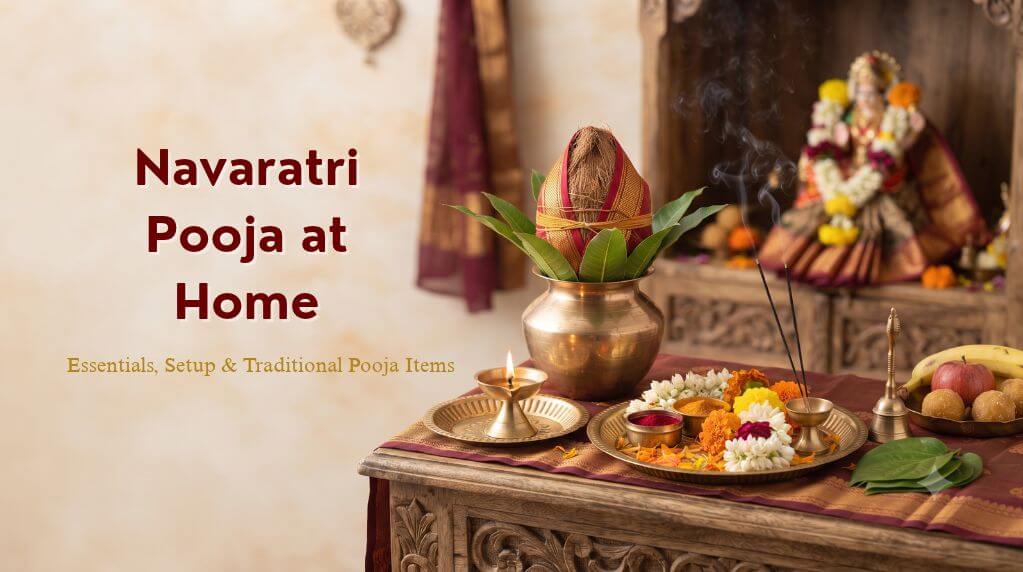
- Clean the prayer space and light a lamp. A brass diya is a lovely choice if you have one.
- Place water in a clean kalash or vessel and offer flowers or bilva leaves on a pooja thali, as your family usually does.
- Chant one or more of the mantras below.
- Offer a modest serving of freshly cooked rice or your usual naivedyam in a clean bowl, beside the deity.
- Sit quietly for a moment in gratitude for the food on your table and the hands that grew and cooked it.
- Share the naivedyam with the family as prasadam.
Mantras to Chant on Annabhishekam
Chant whatever your family already knows. If you follow a family or guru tradition, keep to it. Each mantra is given in English transliteration and Tamil script.
Panchakshara Mantra
Om Namah Shivaya
ஓம் நமசிவாய
The simplest and most widely chanted Shiva mantra, suitable for anyone at any time. Chant it 11 or 108 times, or as many times as feels right.
Shiva Gayatri
Om Tat Purushaya Vidmahe, Mahadevaya Dhimahi, Tanno Rudrah Prachodayat
ஓம் தத்புருஷாய வித்மஹே மஹாதேவாய தீமஹி | தன்னோ ருத்ர꞉ ப்ரசோதயாத் ||
A short prayer for clarity and devotion, often chanted at the start of Shiva worship.
Maha Mrityunjaya Mantra
Om Tryambakam Yajamahe Sugandhim Pushtivardhanam, Urvarukamiva Bandhanan Mrityor Mukshiya Mamritat
ஓம் த்ர்யம்பகம் யஜாமஹே ஸுகந்திம் புஷ்டிவர்தனம் | உர்வாருகமிவ பந்தனான் ம்ருத்யோர்முக்ஷீய மாம்ருதாத் ||
A well-known Shiva mantra, traditionally chanted for health, protection and peace of mind.
Annapurna Prayer for Gratitude
Annapurne Sadapurne Shankara-Prana-Vallabhe, Jnana-Vairagya-Siddhyartham Bhiksham Dehi Cha Parvati
அன்னபூர்ணே ஸதாபூர்ணே ஶங்கரப்ராணவல்லபே | ஞானவைராக்ய ஸித்த்யர்த்தம் பிக்ஷாம் தேஹி ச பார்வதி ||
Addressed to Goddess Annapurna, the giver of food and Shiva’s consort, this verse suits the day’s theme and can be said before the food is offered or shared.
A Tamil Option
Many Tamil families recite the opening of the Sivapuranam from Thiruvasagam: நமச்சிவாய வாழ்க (Namachchivaya Vazhga).
Annadanam, Without Waste
Sharing food carries the festival’s meaning beyond the altar. Ask a local kitchen or temple what it can safely accept, since unsolicited cooked food is not always useful. Fresh, well-packed food, ingredients or a contribution to a verified feeding programme all help. A modest gift that reaches people is better than a large display that ends up as waste.
Frequently Asked Questions
When is Annabhishekam in 2026?
On Aippasi Pournami, Sunday 25 October 2026. Confirm the programme time with your temple.
Why is Annabhishekam performed on Aippasi Pournami?
Aippasi Pournami is an important full moon for Shiva worship. By tradition it is linked with the Moon regaining his radiance, and rice has a traditional association with the Moon, so cooked rice becomes the special offering.
Which Shiva temples are known for Annabhishekam?
Gangaikonda Cholapuram and the Brihadeeswarar Temple in Thanjavur are widely known for it. Many Shiva temples in Tamil Nadu perform it, so ask your local temple.
What happens to the rice afterwards?
It varies by temple. Some share it as prasadam, and some offer it to animals and birds. Follow the temple’s instructions.
Is Annabhishekam only performed in temples?
The rice-covered lingam is a temple rite. Families can keep a simpler Shiva worship at home, with cooked rice or another naivedyam offered in a bowl.
Should I cover my home lingam with rice?
Only if your family has an established method. Otherwise, a food offering in a clean bowl keeps the spirit of the day without hygiene or ritual problems.
What does offering rice mean?
Gratitude for food and sustenance, and a reminder not to waste it.
Which mantra can I chant on Annabhishekam?
Om Namah Shivaya is the simplest. The Shiva Gayatri, Maha Mrityunjaya mantra and the Annapurna prayer above are also fitting.
Can I do annadanam instead?
Yes. It connects the day with its central theme, according to your means and tradition.
Related Reading
Kojagara Pooja 2026: Date & How to Worship Lakshmi at Home